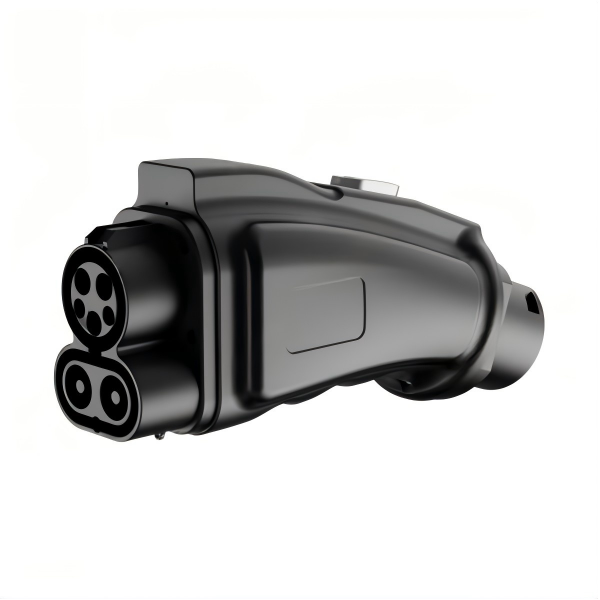
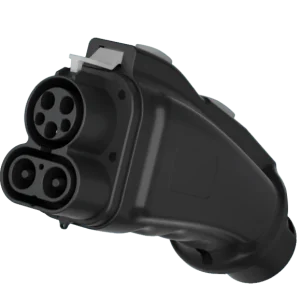
Key Factors to Consider When Buying an EV Charging Adapter
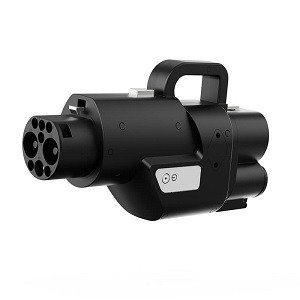
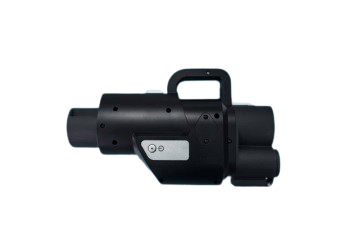
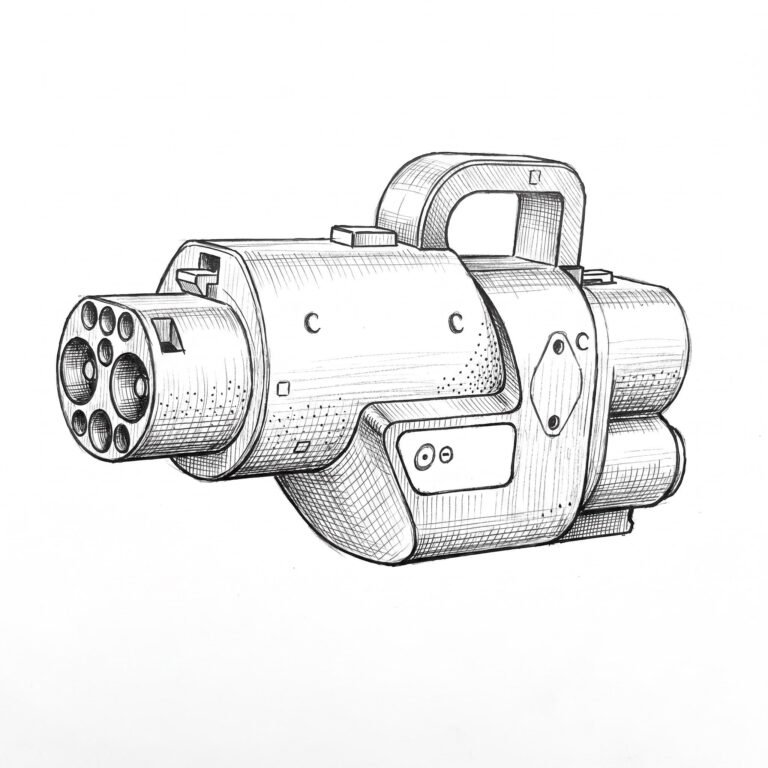
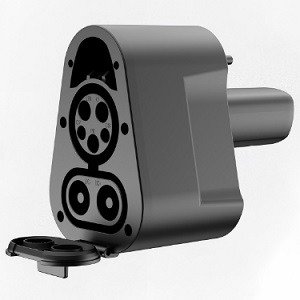
As electric vehicle adoption accelerates globally, drivers frequently encounter a practical challenge: your car’s charging port doesn’t match the local charging station. Whether you drive a Chinese GB/T vehicle in Europe, a European CCS2 car in North America, or a Tesla needing a TYPE2 connection, a reliable EV charging adapter is the essential bridge.
But not all adapters are equal. Choosing the wrong one can lead to failed charging sessions, overheating, or even vehicle damage. This EV charging adapter buying guide walks you through the five key factors that separate a safe, durable adapter from a risky one.
1. Confirm Standard Compatibility
The first and most critical step is understanding both ends of the charging equation:
| Your Vehicle Port | Local Charging Station | Adapter Required |
|---|---|---|
| GB/T (China) | CCS2 (Europe) | CCS2 to GB/T DC adapter |
| GB/T (China) | NACS (North America) | NACS to GB/T adapter |
| TYPE2 (Europe) | NACS (North America) | NACS to TYPE2 adapter |
| CCS2 (Europe) | GB/T (China) | GB/T to CCS2 adapter |
Always verify both the physical connector and the communication protocol. For DC fast charging, the adapter must actively translate between different digital languages—CCS2 uses PLC communication, while GB/T uses CAN bus. A passive adapter works only for AC charging.
2. Evaluate Charging Power and Current Load
Not every adapter can handle every charging speed. Power rating is the most misunderstood specification.
-
For AC charging: Adapters typically support 16A, 32A, or 63A at 230V/400V. Matching your vehicle’s onboard charger capacity is sufficient.
-
For DC fast charging: Look for adapters rated at 200A to 400A continuous current with voltage support up to 1000V. A 400A/1000V adapter can deliver up to 400kW—but only if both the charging station and vehicle support those levels.
Critical consideration: Rated current is not always continuous current. At high loads, even small contact resistance generates significant heat. Choose adapters with temperature sensors and overheat protection to automatically reduce or stop charging when temperatures exceed safe limits.
3. Check Safety Certifications
A quality EV charging adapter should carry recognized safety certifications. These are not marketing badges—they represent rigorous third-party testing.
| Certification | Region | What It Covers |
|---|---|---|
| CE | Europe | EU safety, health, and environmental standards |
| UL | North America | Electrical safety and fire prevention |
| RoHS | Global | Restriction of hazardous substances |
| IP Rating | Global | Dust and water ingress protection |
Beyond certifications, look for built-in protections:
-
Over-current protection (prevents damage from power surges)
-
Over-voltage protection (safeguards vehicle battery)
-
Over-temperature protection (auto-shutdown at threshold)
-
Short-circuit protection (instant disconnect in fault conditions)
-
Insulation monitoring (detects leakage and faults)
These protections are especially important for outdoor public charging, where weather and grid fluctuations are unpredictable.
4. Assess Build Quality and Waterproofing
Public EV charging happens outdoors—in rain, snow, dust, and extreme temperatures. Your adapter must survive these conditions.
What to look for:
-
IP54 rating or higher: Protects against dust ingress and water splashes from any direction. IP55/IP56 offers stronger water jet protection for more exposed locations.
-
Operating temperature range: Look for –40°C to +85°C to ensure reliable performance from Nordic winters to Mediterranean summers.
-
Durable materials: High-temperature-resistant engineering plastics and corrosion-resistant metal terminals prevent degradation over repeated use.
-
Cable strain relief: Reinforced connection points prevent internal wire breakage from frequent plugging and unplugging.
5. Consider Firmware Update Capability
This is often overlooked but increasingly important. Charging stations and vehicles receive software updates that can change how they communicate.
An adapter with firmware update support (via USB-C or Bluetooth) can be upgraded to maintain compatibility as networks evolve. Without this capability, an adapter that works perfectly today may fail tomorrow after a station firmware update.
For commercial fleets or long-term ownership, firmware update support is not a luxury—it is a practical necessity.
Why a Quality Adapter Matters
A reliable cross-standard EV charging adapter does more than connect two plugs. It:
-
Protects your vehicle’s battery from improper voltage or current
-
Ensures safe charging in all weather conditions
-
Reduces charging failures through active protocol conversion
-
Saves money by avoiding costly electrical damage
-
Enables global travel by breaking regional charging barriers
Quick Checklist: 5 Questions Before Buying
| Question | What to Look For |
|---|---|
| Does it match my vehicle and station? | Confirm both connector types and protocol (AC vs DC) |
| What is the continuous current rating? | Look for 200A–400A for DC, verified for sustained use |
| Does it have safety certifications? | CE, UL, RoHS, plus built-in protections |
| Is it weatherproof? | IP54 minimum, –40°C to +85°C operating range |
| Can it be updated? | USB-C or Bluetooth firmware update support |
The Bottom Line
Investing in a high-quality EV charging adapter is investing in peace of mind. Whether you’re a fleet operator managing cross-border logistics or an individual EV owner planning international road trips, the right adapter ensures your vehicle charges safely, reliably, and efficiently—every time.
Ready to find the right adapter for your EV? Browse our [product] for certified, IP54-rated adapters with active protocol conversion and lifetime firmware support.