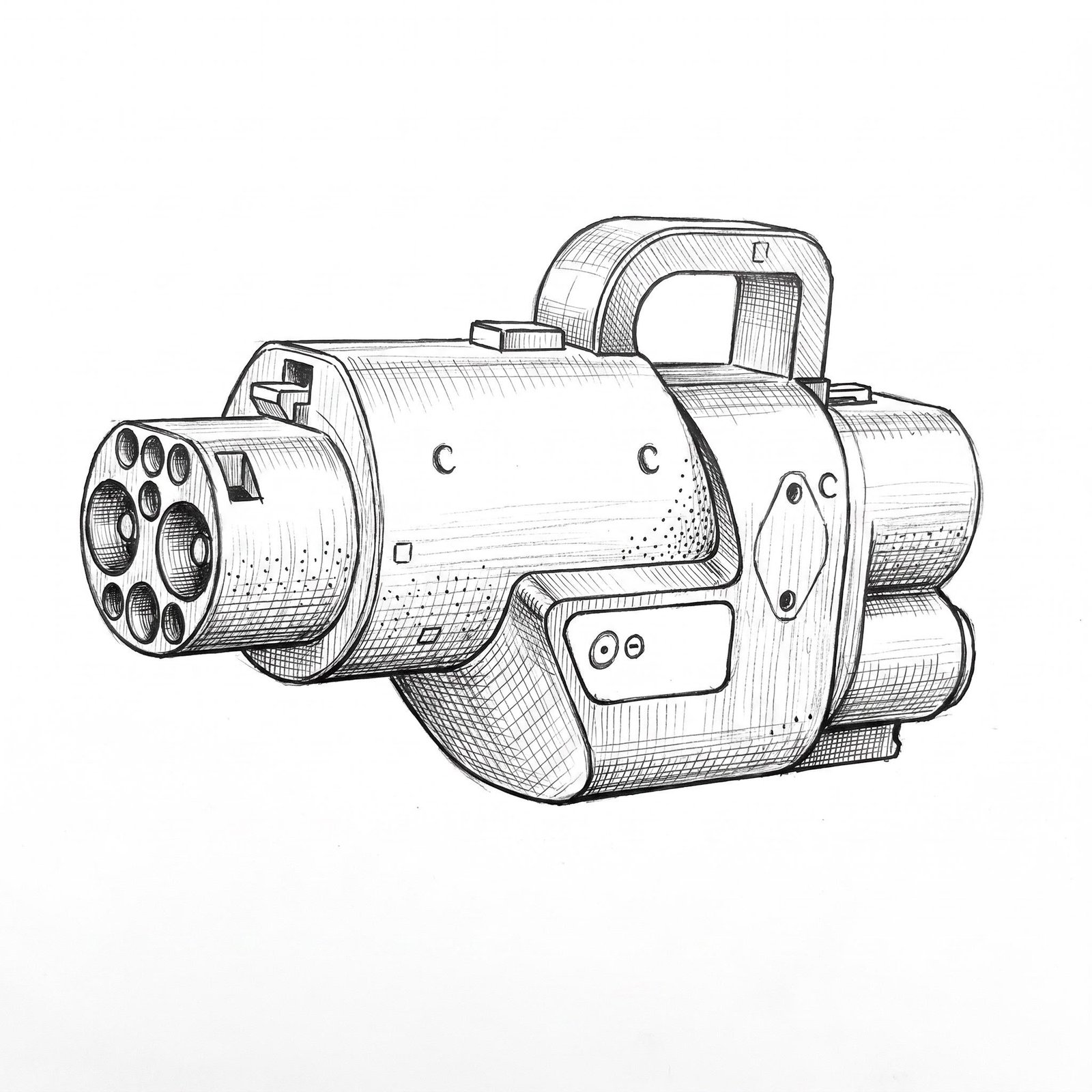
CCS2 to GB/T Adapter: The Complete Buyer’s Guide for EV Interoperability
Introduction
As electric vehicles become the norm across global markets, a significant challenge has emerged: regional charging standards don’t always match up. If you’re trying to charge a vehicle designed for China’s GB/T standard from a European CCS2 charging station, you’ve likely encountered this compatibility wall. The solution? A CCS2 to GB/T adapter.
This guide covers everything commercial buyers, fleet managers, and EV infrastructure professionals need to know about sourcing and deploying these essential interoperability devices in 2026.
What a CCS2 to GB/T Adapter Actually Does
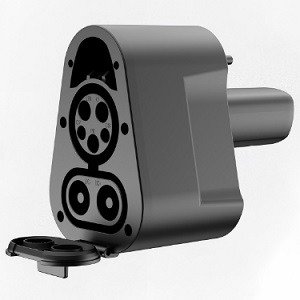
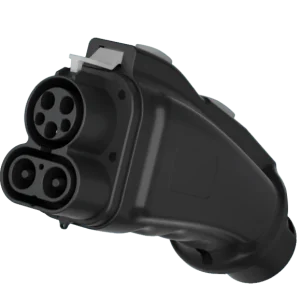
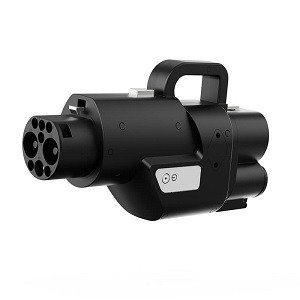
At its core, a CCS2 to GB/T adapter solves a specific interoperability problem: connecting charging equipment built around the European CCS2 (Combined Charging System Type 2) interface to vehicles using China’s GB/T standard.
This isn’t just a simple pass‑through device. The adapter sits between two different connector ecosystems with distinct mechanical structures, signaling expectations, and field‑use conditions. A true conversion product must account for both physical mating and the electrical communication path required for safe charging.
Why the Adapter Market Matters
The numbers tell a compelling story. The global electric vehicle charging adapter market reached USD 2.28 billion in 2025 and is projected to grow at approximately 18.92% CAGR through 2035, potentially reaching USD 8.5 billion. With over 47 million electric vehicles in operation globally, the demand for multi‑standard charging interoperability has never been higher.
The market is being shaped by several key drivers:
- Proliferation of competing charging standards: CCS2, GB/T, CHAdeMO, and NACS all exist in parallel, creating persistent adapter demand
- OEM platform globalization: Vehicle manufacturers increasingly source and sell across regions, requiring adapters for validation and aftermarket support
- Government initiatives: The EU’s AFIR and the U.S. NEVI program are mandating infrastructure buildouts, creating opportunities for interoperability solutions
- Tesla’s NACS adoption: With major automakers transitioning to NACS connectors, existing CCS2‑equipped EVs need adapters to access expanding Supercharger networks
Key Technical Considerations Before Buying
1. Charging Type and Power Rating
The most critical check is whether the adapter is designed for AC or DC service. A buyer asking for a CCS2 to GB/T adapter without defining the charging mode is still at the beginning of the specification process.
Important distinction: DC fast charging adapters require different internal designs, higher thermal performance, and tighter safety margins than lower‑power AC products. Power rating should be reviewed in terms of both voltage and current, not just headline kilowatts. Always ask whether ratings are continuous or peak values, and how they were validated under real‑world conditions.
2. Communication Compatibility
An adapter in this category may need more than conductive transfer. Charging authorization and safe power delivery depend on communication behavior between charger and vehicle.
Buyers should confirm whether the product is:
- Passive adapter: Simple pin‑to‑pin connection
- Active adapter: Includes electronics for protocol handling
- Protocol‑conversion design: Translates between different communication standards
This point is critical because connector families are not interchangeable simply by pin mapping. If your project requires signaling conversion, that function should be clearly specified, tested, and documented.
3. Mechanical Durability
A commercial‑grade adapter must provide consistent insertion force, stable retention, and durable locking performance. Loose tolerance control causes field complaints quickly, especially in repeated‑use environments.
Key factors affecting service life include:
- Connector housing quality
- Contact material and plating
- Latching mechanism design
- Cycle durability (especially important in fleet depots where adapters may be connected and disconnected many times per week)
4. Certification and Compliance
Don’t overlook regulatory requirements. Proper adapters should carry relevant certifications:
- CE marking for European deployment
- CCC certification for China‑market compatibility
OEM/Tier‑1 validation cycles typically take 12‑24 months, so pre‑certified products offer significant time‑to‑market advantages.
Commercial Use Cases
In regions with CCS2 charging infrastructure, this product category is most relevant in specialized scenarios rather than mainstream public charging:
- Import vehicle support: Chinese‑made EVs entering CCS2‑standard markets
- Test facilities and R&D environments: Validation and development programs
- Fleet operations: Mixed‑vehicle depots with both CCS2 and GB/T vehicles
- Cross‑border equipment programs: Private‑label sales into niche EV compatibility markets
Important caveat: If your charging site expects high utilization, broad public access, or multiple vehicle variants, a dedicated charger configuration may be more reliable than relying on adapters in daily operation. The adapter approach is usually strongest in controlled use cases where compatibility is understood in advance.
Market Outlook and Strategic Considerations
The EV charging adapter market is moderately fragmented, with players ranging from legacy component suppliers to emerging system providers. Key differentiators include:
- Technical robustness and lifetime performance
- Certification breadth across regions and connector types
- Software integration capabilities (billing, telemetry, remote diagnostics)
For commercial buyers, strategic partnerships with suppliers that offer flexible manufacturing, white‑labeling options, and bundled service contracts will be increasingly valuable. Additionally, suppliers with strong channel relationships and certification track records should be prioritized over those competing solely on unit price.
Conclusion
A CCS2 to GB/T adapter is not a commodity accessory—it’s a critical compatibility component that affects charging performance, site usability, and after‑sales support. Successful procurement requires careful attention to charging type, power rating, communication compatibility, mechanical durability, and certification.
As global EV adoption accelerates and charging standards continue to evolve, adapters have shifted from niche accessories into strategic enablers of interoperability, resilience, and customer satisfaction within the charging ecosystem. The premium will accrue to suppliers and buyers who prioritize certified, durable, and software‑capable products over low‑cost alternatives.
For commercial buyers and infrastructure operators, treating adapters as component systems with defined product roadmaps, certification requirements, and service models—rather than simple pass‑through hardware—will be the key to successful long‑term deployment.
DC-768x768.png)