EV Charging Stations: A Practical Guide to Powering Your Electric Journey
The shift to electric mobility is no longer a distant promise; it is a daily reality for millions of drivers. Yet, for many prospective EV owners, the most pressing question is not about range or performance—it is about where and how they will charge. Understanding the landscape of EV charging stations is essential for anyone looking to make the switch, whether you are a homeowner planning a garage upgrade or a road-tripper relying on public infrastructure.
The good news is that the charging ecosystem has matured dramatically. From ultra-fast highway corridors to simple overnight setups at home, the options available today are more varied and accessible than ever before.
The Two Pillars: Home vs. Public Charging
The charging experience generally splits into two distinct categories, and successful EV ownership usually involves mastering both.
For the majority of drivers, home EV charging is the primary method. It is convenient, cost-effective, and fundamentally changes the routine of “fueling up.” Instead of weekly detours to a gas station, you simply plug in when you park. The U.S. Environmental Protection Agency notes that most charging happens where you already park, making it the most time-efficient method .
Most home setups rely on Level 2 chargers, which operate on a 240-volt circuit (similar to a heavy-duty appliance like an oven). According to the EPA, a Level 2 charger can add roughly 25 to 40 miles of range per hour, which is more than sufficient for overnight replenishment . While a standard 120-volt wall outlet (Level 1) can work for low-mileage drivers, installing a dedicated Level 2 circuit is the gold standard for practicality. It is important to note that installing a new 240-volt circuit typically requires a licensed electrician to perform a load calculation and ensure your panel can handle the additional demand .
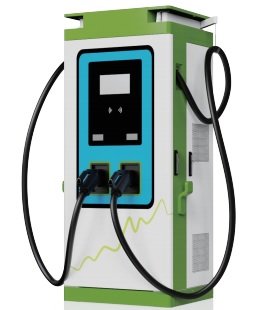
Public charging infrastructure, on the other hand, is the safety net that eliminates range anxiety. This network is not just about quantity; it is about speed and location. In China, for instance, the world’s largest charging network now boasts over 20 million facilities, with a strategic push toward “ultra-fast” charging at highway service areas to accommodate heavy-duty trucks and long-distance travelers . These high-power stations can deliver massive amounts of energy in minutes, mirroring the traditional refueling experience.
Navigating the Public Network: Speed and Connectors
When you rely on public EV charging stations, understanding the terminology helps set expectations.
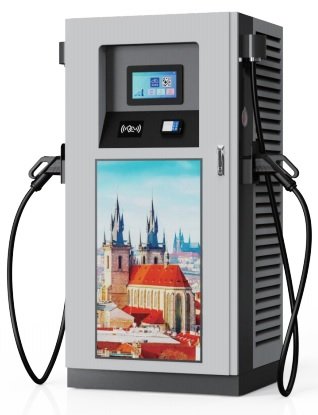
Public charging is generally categorized by speed. Fast charging (often DC fast charging) is the domain of highway corridors and commercial hubs. These stations can charge a battery to 80% in roughly 20 to 30 minutes, depending on the vehicle’s acceptance rate and the charger’s power output. Recent developments in China highlight the efficiency of modern infrastructure; at a demonstration site in Jiangsu, a dual-gun system delivered 63 kWh in just 15 minutes for a heavy-duty truck, showcasing how far technology has come .
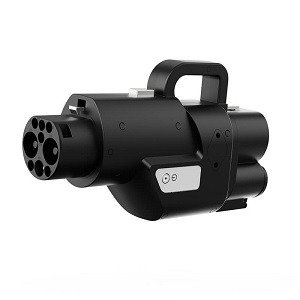
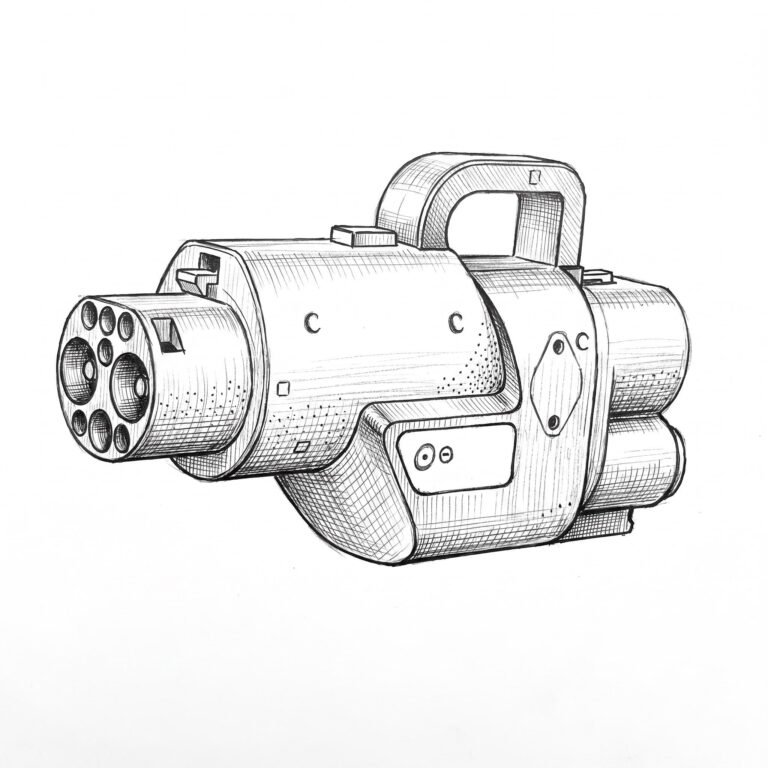
However, the physical connector matters just as much as the speed. In North America, the landscape is currently transitioning. While the J1772 connector has been the standard for Level 2 charging, many automakers are now adopting the NACS (North American Charging Standard) connector, originally pioneered by Tesla . Fortunately, adapters are widely available, meaning you do not need to worry excessively about compatibility when choosing a vehicle or a public station .
The Economics: What Does It Really Cost?
For those considering commercial ventures or simply curious about the economics, the cost of EV charging stations varies wildly based on power and purpose.
A basic residential Level 2 charger unit itself is relatively affordable, but the installation and potential electrical panel upgrades are the variable costs that often surprise homeowners. On the commercial side, the investment is substantial. Industry analysis suggests that a standard commercial fast-charging station (4 to 8 high-power units) can require an investment ranging from $60,000 to over $100,000 when factoring in equipment, site preparation, and the critical electrical grid upgrades needed to support high-power draw .
This high cost of public infrastructure is precisely why the user experience at these stations needs to be reliable. When you pull up to a public charger, you are not just paying for electricity; you are paying for the convenience of a rapid top-up and the real estate of a prime location.
Looking Ahead: Smarter and More Accessible
The future of EV charging stations is not just about building more plugs; it is about building smarter ones. The integration of renewable energy and smart grid technology is a growing trend. Research indicates that smart charging and vehicle-to-grid (V2G) technology can enhance grid stability and optimize energy consumption, turning EVs into mobile energy storage assets rather than just consumers .
Furthermore, accessibility remains a key challenge. While urban areas are seeing rapid deployment, rural regions often lag behind. Policymakers and private partners are increasingly focusing on deploying chargers in less populous areas to ensure equitable access to electric mobility . As the network expands into townships and rural communities, the barrier to EV adoption lowers for millions of drivers who cannot rely solely on home charging.
Ultimately, the success of the electric transition hinges on the seamless integration of EV charging stations into our daily lives. Whether you are installing a simple wall unit in your garage or planning a cross-country route powered by high-speed public chargers, the infrastructure is rapidly evolving to meet you where you are.