EV Charging Station: The Complete Guide to Powering Your Electric Vehicle in 2026
As electric vehicles continue to dominate roads worldwide, one question remains top of mind for every driver: Where can I find a reliable EV charging station?
Whether you are a new EV owner or a fleet manager, understanding how EV charging stations work, where to find them, and what to expect can save you time, money, and range anxiety. This guide covers everything you need to know about EV charging stations in 2026.
What Is an EV Charging Station?
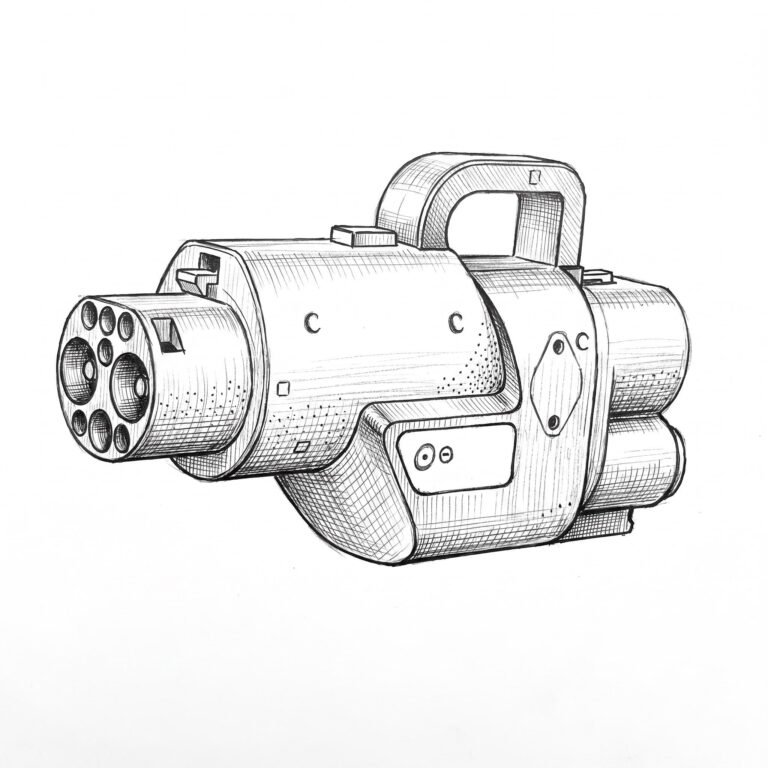
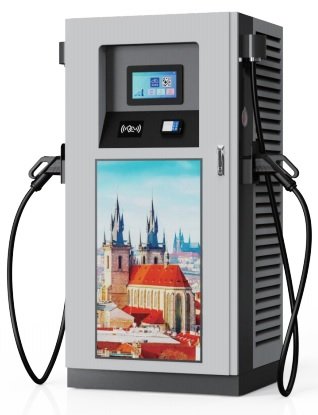
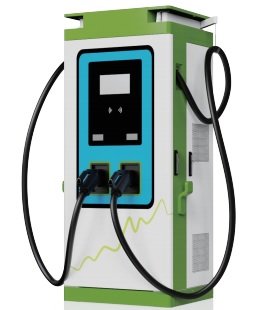
An EV charging station (also called an EV charger, charging point, or EVSE – Electric Vehicle Supply Equipment) is a piece of infrastructure that delivers electricity to recharge electric vehicles. These stations range from small home units mounted in a garage to massive public fast-charging hubs along highways.
There are three main levels of EV charging stations:
-
Level 1 (L1): Standard 120V household outlet. Adds about 3–5 miles of range per hour. Best for overnight home charging.
-
Level 2 (L2): 240V outlet, common at homes, workplaces, and public parking lots. Adds 12–30 miles of range per hour.
-
Level 3 / DC Fast Charging (DCFC): High-powered stations that can charge an EV to 80% in 20–40 minutes. Typically found along major highways and commercial hubs.
Why EV Charging Stations Matter More Than Ever
In 2026, the global EV market has exploded. According to recent industry data, EV sales now account for over 20% of new car sales in major markets like Europe, China, and the United States. With this growth, the demand for accessible, reliable EV charging stations has never been higher.
Governments and private companies are investing billions to expand charging networks. In the U.S., the National Electric Vehicle Infrastructure (NEVI) program continues to fund fast-charging corridors. In Europe, the AFIR regulation requires charging stations every 60 kilometers along major highways.
For drivers, this means one thing: range anxiety is becoming a thing of the past – but only if you know how to find and use the right stations.
How to Find an EV Charging Station Near You
Finding a charging station is easier than ever. Here are the most effective methods:
1. Use In-Car Navigation
Most modern EVs (Tesla, Ford, Hyundai, Kia, BMW, and others) have built-in navigation that locates nearby EV charging stations and even predicts how long you need to charge.
2. Mobile Apps
Popular apps like PlugShare, ChargePoint, Electrify America, and A Better Route Planner (ABRP) let you filter by connector type, charging speed, and availability.
3. Google Maps & Apple Maps
Simply search “EV charging station near me” and you will see real-time availability, pricing, and user reviews.
4. Workplace & Destination Charging
Many employers, hotels, and shopping centers now offer Level 2 charging as an amenity. Always ask before you arrive.
What to Expect at a Public EV Charging Station
When you pull up to a public EV charging station, here is what the typical experience looks like:
-
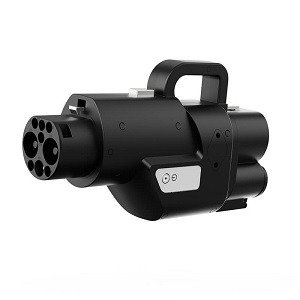
Park and plug in – Use the correct connector (CCS, NACS, CHAdeMO, or Type 2).
-
Activate the session – Via app, RFID card, or credit card.
-
Monitor charging – Most apps show real-time state of charge and estimated time.
-
Pay and unplug – Pricing varies from per-kWh to per-minute or flat session fees.
In 2026, Tesla’s Supercharger network is now open to many non-Tesla EVs using NACS adapters, making it one of the largest and most reliable EV charging station networks in North America.
Home EV Charging Station: The Best Investment
While public charging is essential, 80% of EV charging happens at home. Installing a Level 2 EV charging station in your garage is one of the best investments you can make.
Benefits include:
-
Convenience: Wake up to a full battery every day.
-
Cost savings: Home electricity is often 50–70% cheaper than public fast charging.
-
Speed: A 40-amp Level 2 charger adds 25–30 miles of range per hour.
Before installing, check local incentives. Many utility companies and states offer rebates up to $1,000 for home EV charger installation.
The Future of EV Charging Stations
The next few years will bring major changes:
-
Ultra-fast charging: 360 kW+ stations are becoming standard, cutting charging time to under 15 minutes.
-
Wireless charging: Pilot programs are testing inductive charging pads.
-
Solar-powered stations: Off-grid EV charging stations are emerging in remote areas.
-
Smart grid integration: Stations will communicate with the grid to balance demand and reduce costs.
Final Thoughts
The EV charging station is no longer a niche piece of infrastructure – it is the backbone of the electric revolution. Whether you are charging at home, at work, or on a road trip, knowing how to find and use these stations makes EV ownership effortless.
As networks expand and technology improves, one thing is clear: the future of driving is electric, and the EV charging station is your gateway to it.