A Complete Guide to Global EV Charging Standards: TYPE2, CCS2, NACS and GB/T
Learn the differences between TYPE2, CCS2, NACS and GB/T EV charging standards, connector types, power limits and compatible EV charging adapters.
As electric vehicles become mainstream worldwide, inconsistent charging standards have become a major challenge for EV users and fleet operators. Different regions adopt unique connector and protocol systems, mainly including TYPE2, CCS2, NACS, and GB/T. Understanding these core standards helps you pick the correct EV charging adapter and enjoy seamless charging globally.
TYPE2 is the mainstream AC charging standard in Europe, also known as the Mennekes connector. It supports single-phase and three-phase AC charging, widely used for home chargers and public slow charging stations across the EU.
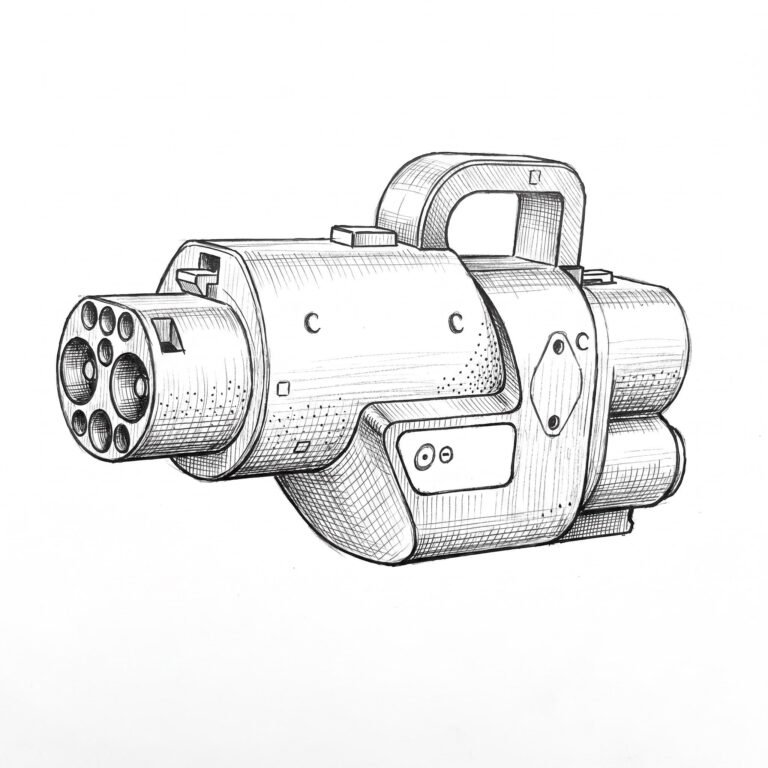
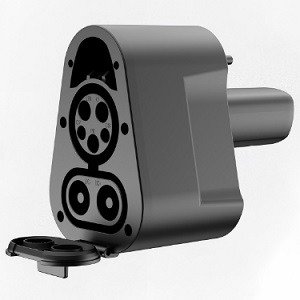
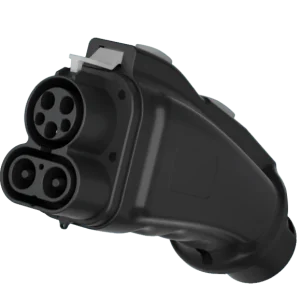
CCS2 is the European DC fast charging solution, expanded based on TYPE2 with extra DC pins. It supports ultra-high power fast charging and is the most common public DC charging standard in Europe.
NACS, promoted by Tesla, has become the unified charging standard in North America. With a compact design and strong compatibility, NACS gradually replaces the traditional CCS1 in the United States and Canada.
GB/T is China’s national EV charging standard, including both AC and DC connectors. Most Chinese new energy vehicles are factory-fitted with GB/T ports, which cannot be directly plugged into European or American charging piles without an adapter.
Due to regional barriers, a high-quality EV charging adapter has become essential for cross-region driving, business fleets and imported EV owners.


DC-768x768.png)